Buy Cocoa Beans
Cocoa beans are the dried, fermented seeds of the cacao tree, shipped raw or roasted, whole or broken into nibs. They are bought by chocolate makers, cocoa grinders and bean-to-bar producers to process into liquor, butter, powder and chocolate.
A $28.1B market, up 48.7% in a year
How big is the global cocoa beans market?
Global cocoa beans trade is worth $28.1B a year, with 3.3M tons traded across 144 exporting and 157 importing countries. Trade value rose 48.7% in the latest year.
Buying cocoa beans
Cocoa and cacao bean types, crops and forms
Cocoa and cacao beans are the same goods: cacao is the bean-to-bar word. Bulk cocoa, mostly Forastero types, is bought for grinding. Fine or flavor cocoa from Criollo, Trinitario and Nacional types is bought for taste. Main-crop beans run larger than light-crop beans, which changes nib and butter yield. Roasted nibs go mainly to bakery, confectionery and snack makers as inclusions and toppings.
Cocoa bean grade, cut test and butter quality limits
A quote for bulk beans names grade, crop and bean count per 100 g. Main-crop contracts set a count such as 100 max, and light-crop contracts allow a higher one. Grade I cut-test terms on 300 beans read mold 3% max, slaty 3% max, and insect-damaged, germinated or flat beans 3% max combined. Moisture limits differ by contract, from 7.5% to 8%. Beans must be free of smoky, hammy or other foreign odors.
Grinders cap free fatty acids in the extracted butter at 1.75% max as oleic acid, since poor drying and hot storage raise them. Food safety limits cover cadmium, polycyclic aromatic hydrocarbons from smoke drying, ochratoxin A and pesticide residues. Fine flavor buyers add a minimum share of fully brown beans and a pre-shipment tasting. Nib contracts cap shell content and require Salmonella absent in 25 g, since nibs used as inclusions get no further kill step.
Cocoa bean bags, bulk containers and warehouse storage
Beans ship in jute or sisal bags, most often 62.5 kg net, though weights differ by origin from 60 kg to 70 kg. A 20-foot container holds about 12.5 t bagged, and large lots move loose in lined bulk containers. Containers travel at ambient temperature with kraft paper lining or desiccant, since condensation causes mold.
Well-dried beans keep over a year in a cool, ventilated warehouse below 70% relative humidity, fumigated against cocoa moth. In hot, humid stores they keep only a few months. Nibs pack in cartons or multiwall paper bags with a polyethylene liner, and some pack in foil bags under nitrogen.
Cocoa bean futures, differentials and flavor premiums
The cocoa futures price sets the base for bulk beans and moves with crop weather, diseases such as swollen shoot and port arrivals. Each lot trades at a differential to futures. A low bean count, a clean Grade I cut test and consistent fermentation widen it, while light-crop, smoky or under-fermented beans narrow it or turn it negative. Fine flavor lots trade at a premium over futures or at negotiated outright prices, driven by liquor tasting, variety and lot size.
Add these details to your order, and the options we come back with will match what you need. Start your order →
Notes on the cocoa beans market
The United States gets its cocoa beans from Ecuador first, at 35%, then Côte d'Ivoire at 25%. But Côte d'Ivoire is the world's biggest exporter of cocoa beans, with 28% of world exports.
Buying for a market not covered here? Tell us your destination and volume, and we'll come back with the origins that serve it. Start your order →
Top supplying countries
Côte d'Ivoire leads global cocoa beans exports with a market share of 27.8%, shipping to 39 destination countries. The supply side is moderately concentrated, with the top three exporters accounting for 57.8% of global supply and 15 origins holding significant positions (over 1% share). Ecuador is the second-largest supplier at 17.9% market share. Ghana is gaining ground, up from 7.7% of exports a year earlier to 12.1%.
 Côte d'Ivoire27.8%+57.5%
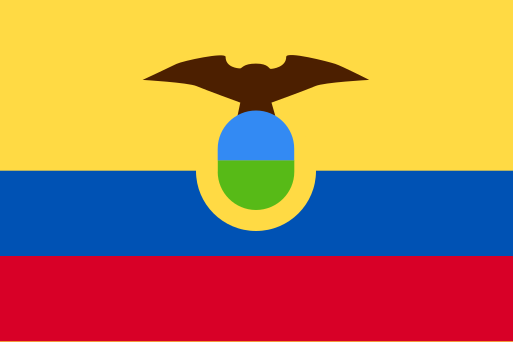 Ecuador17.9%+63.1%
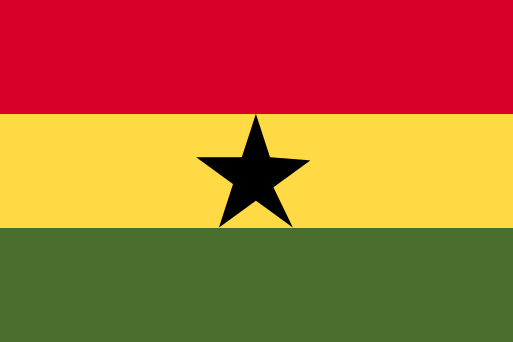 Ghana12.1%+132.8%
 Nigeria8.8%+10.6%
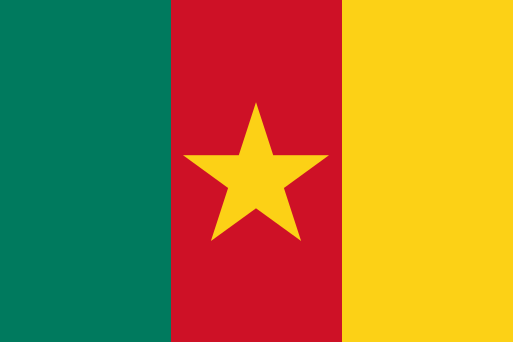 Cameroon6.8%+49.5%
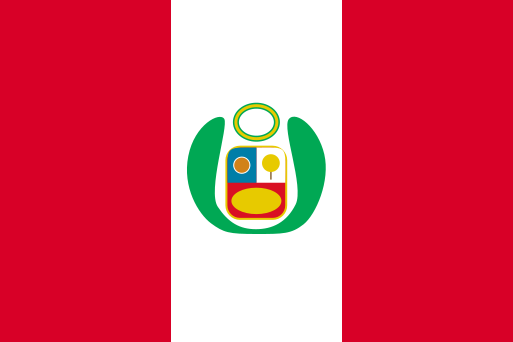 Peru3.9%+27.7%
 Dominican Republic2.4%+53.5%
 Guinea2.3%+31.7%
 DR Congo2.2%+78.2%
 Uganda1.7%+39.9%
Tell us your volume and destination, and we'll come back with origin options for cocoa beans. Start your order →
Where cocoa beans come from
Which countries do cocoa beans come from?
Côte d'Ivoire is the largest origin for cocoa beans, supplying 27.8% of global export value. Another 14 origins each hold more than 1% of supply, so one country is rarely the only way to buy it.
Where else can you buy cocoa beans from?
Ecuador is the next largest origin at 17.9% of global exports, shipping to 56 destination markets. Ghana (12.1%) and Nigeria (8.8%) follow. Which of them can hold your spec at your volume is the part worth checking before you commit.
Does the leading origin for cocoa beans change from year to year?
Côte d'Ivoire has led for 4 straight years, from 38.1% of exports in the first of them to 27.8% in the latest. Origin shares move, so the best country to buy from is a question about the current market rather than a fixed answer.
Not sure which origin fits your spec? Tell us what you need and we'll come back with the ones that do. Start your order →
Top importing markets
Which countries import the most cocoa beans?
The Netherlands is the world's largest importer of cocoa beans, accounting for 22.2% of global demand and importing from 82 origin countries. Import demand is somewhat fragmented across 16 significant markets. Other major importers include Malaysia, the United States and Indonesia.
| # | Country | Trade value | Share | Growth YoY | Origins |
|---|---|---|---|---|---|
| 1 |  Netherlands | $6.2B | 22.2% | +52.7% | 82 |
| 2 |  Malaysia | $3.8B | 13.4% | +19.4% | 34 |
| 3 |  United Statesup 3 places from last year | $2.8B | 10.1% | +147.9% | 51 |
| 4 |  Indonesiaup 1 place from last year | $1.9B | 6.7% | +50.7% | 47 |
| 5 |  Germanydown 2 places from last year | $1.8B | 6.4% | +1.6% | 65 |
| 6 |  Belgiumdown 2 places from last year | $1.5B | 5.2% | +7.6% | 54 |
| 7 |  Franceup 2 places from last year | $1.3B | 4.5% | +109.9% | 79 |
| 8 |  Canada | $1.1B | 4.1% | +66.3% | 44 |
| 9 |  Spainup 1 place from last year | $1.1B | 3.8% | +86.8% | 51 |
| 10 |  Türkiyeup 2 places from last year | $1.0B | 3.7% | +108.3% | 37 |
Buyers in 157 countries already purchase cocoa beans. Join them with an order sized to your market. Start your order →
A decade of trade
Over the past decade, global cocoa beans trade has moved between $8.53B and $28.1B and is now at its high.
Trade value rose in 7 of the last 10 years. Trade is now at its highest in that time. The biggest one-year move was a rise of 87%.
| 10 years earlier | 9 years earlier | 8 years earlier | 7 years earlier | 6 years earlier | 5 years earlier | 4 years earlier | 3 years earlier | 2 years earlier | a year earlier | Latest year |
|---|---|---|---|---|---|---|---|---|---|---|
| $9.92B | $10.1B | $9.40B | $9.15B | $9.17B | $9.25B | $10.2B | $8.53B | $10.1B | $18.9B | $28.1B |
Tell us your volume and we'll come back with price guidance for the current market. Start your order →
From order to delivery, handled
Browse
Find your product in our catalogue, backed by real global trade data so you know the market before you buy.
Tell us what you're after
Describe what you need in your own words, and we'll take it from there.
We get it sorted
We bring you vetted supply and handle your order end to end, confidentially.
Looking for cocoa beans? Let's get it sorted.
Tell us what you need and how much. You'll get origin options and price guidance for your volume, confidentially.